Listeners:
Top listeners:
-
 play_arrow
Kapital FM 92.9 The Station that Rocks!


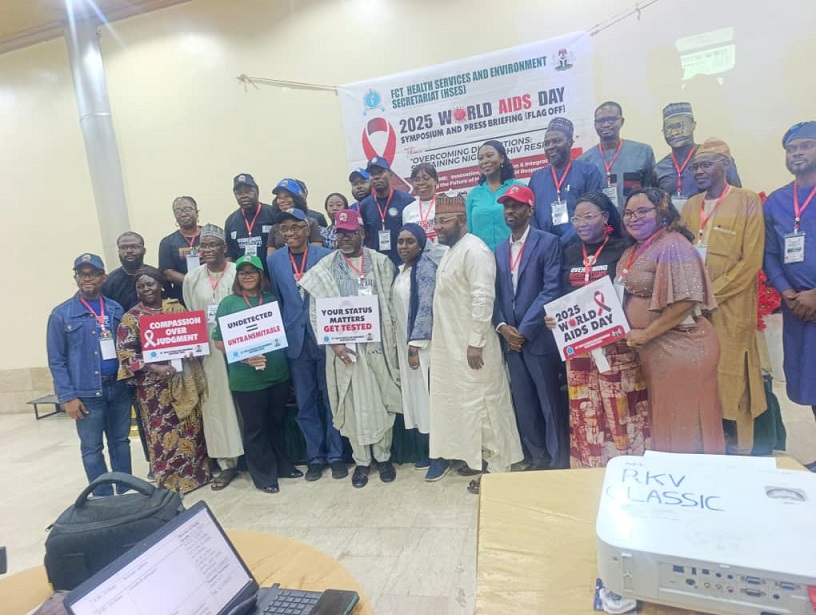
Recorded successes in the fight against HIV/AIDS across Nigeria’s urban centers can only be sustained if similar attention is extended to rural communities, the Federal Capital Territory Administration (FCTA) has said.
Mandate Secretary of the FCT Health Services and Environment Secretariat, Dr. Adedolapo Fasawe, made the call during the 2025 World AIDS Day commemoration in Abuja.
Represented by the Permanent Secretary, Dr. Babagana Adams, she emphasized the need for stronger stakeholder collaboration to combat HIV/AIDS across both rural and urban areas.
According to her, the theme for the year “Overcoming disruptions: Sustaining Nigeria’s HIV response”, offers an opportunity to rethink strategies and mobilize local resources to bridge existing funding gaps.
Dr. Fasawe urged stakeholders to explore new and creative approaches to financing public health interventions, especially with reduced international donor support.
“Let us be creative in sourcing for funding for HIV/AIDS eradication. We could partner transporters and raise awareness in motor parks. You will be amazed at what would be realised. We could also collaborate with those in the oil sector, Dangote for instance ,a lot would be realised for this course. So, it was done before the arrival of donor funds. Now that donor funding is no more, we should not be ashamed to reopen those channels.”
The Mandate Secretary noted that such initiatives would ensure that Nigerians living with HIV/AIDS do not face additional burdens.
“We can’t succeed in sustaining the campaign against AIDS without going closer to the rural areas, the people that need the message more are in communities.
“We need to identify what we are doing well and areas that require improvement. Security challenges in the environment are a significant concern, particularly regarding access to certain localities. This is one of the major challenges we face.
“The government, however, is committed to ensuring access, affordability, and accessibility so that treatment success rates improve. Many individuals living with HIV face social challenges, including stigma and discrimination from others.”
Also speaking, Director of the FCT Department of Public Health, Dr. Dan Gadzama, highlighted ongoing efforts through the First-Class Committee and grassroots teams that engage communities in all six Area Councils.
“We educate people about HIV, including the availability of treatment and preventive services in all our facilities and area councils. Treatment is free.”
“The First-Class Committee, operates a grassroots team that works closely with area councils. We mobilize communities in collaboration with people living with HIV and civil society organizations.
“As we deliberate, let us focus on the gains achieved, but also confront the gaps including how to address stigma, endure inclusivity so that no one is left behind.”
On his part, Dr. Tangkat Hosle, the FCT Regional Manager of the Institute of Neurology, Nigeria, commended the government’s commitment to combating HIV/AIDS and called for greater ownership among stakeholders.
“The focus on innovations and sustainability this year is very timely. It encourages all stakeholders, including healthcare facilities and government at all levels to take ownership and contribute effectively to the fight against HIV/AIDS. Sustainability ensures continuity of care and strengthens our collective response.”
World AIDS Day is often commemorated every December annually to raise awareness about the global HIV/AIDS epidemic and the need to support those affected by the virus to live a healthy lifestyle
Remi Johnson, Edited By Grace Namiji


Post comments (0)